When to Change vs Repair Service: Making the Right Sprinkler Decision
Irrigation rarely falls short at one time. It breaks down in little manner ins which sneak up on you, a patch of stressed grass near the driveway, an area that takes for life to kick on, a faint hiss under the grass where a lateral split drainages you never see. By the time the water costs leaps or the city tags you for runoff, the inquiry shows up: fix what you have, or draw it out and start over. The right telephone call depends upon age, design, neighborhood water pressure, and how much time you agree to invest in ongoing sprinkler maintenance. I have strolled numerous properties with this exact fork in the road, and the straightforward response is that repair service and substitute each have moments when they are the smarter play.
How automatic sprinkler age in the real world
Different elements live different lengths of time. With affordable treatment, a well developed system lasts 15 to 25 years, however that typical hides a great deal of variation.
Rotors and sprays see continuous grit and stress cycles. In average water, a spray head body may go 8 to 12 years before its seals obtain careless and the cap threads crack. Blades often tend to last longer, 10 to 15 years, yet their internal turbines wear, which gradually reduces toss and coverage. Nozzles can block in a solitary season if you have hefty debris or if the last oygenation pushed soil right into the caps. Shutoff diaphragms, the slim rubber that actually holds water back, usually fall short between years 7 and 12. You observe a weeping area that drips after shutoff, or a zone that will closed without coaxing the solenoid.
Pipe lifespan relies on material, pressure, and dirt. Arrange 40 PVC stands up 25 years or even more in secure soils, however in locations with extensive clay or tree roots, lateral lines divided along glued joints as the ground actions. Black polyethylene from the 90s gets breakable under constant sun at risers and has a tendency to divide at insert fittings if the initial installer skipped the appropriate stainless clamps. Galvanized steel, blessedly unusual in later installs, obstructions with rust and is unpleasant to fix cleanly.
Controllers and wiring live longer than individuals anticipate if installed appropriately. A years is common, 20 years not uncommon. Issues occur from inadequate splices that wear away underground and from lightning that leaps with poorly based systems. When a controller clock maintains time yet random areas fall short in turning, suspicious electrical wiring before you blame the clock.
None of these numbers are guarantees. Water chemistry, freeze cycles, and installer choices tilt the odds. Which is why the most effective choice is not about a solitary broken component, it is about the system's wellness as a whole.
Diagnose the trouble like a pro
Before you value a new sprinkler installation or order a truck packed with heads, take a disciplined look. The objective is to separate isolated failings from systemic concerns. I run the system zone by zone, stroll the spray courses, check fixed and vibrant pressure, and put hands on the valves. I also check out the landscape itself. That patch of completely dry lawn could have absolutely nothing to do with irrigation if the dirt under it is compacted like a vehicle parking lot.
Here is a quick, high worth check that property owners can do prior to calling for sprinkler repair service:
- Confirm water pressure at a tube bib with a $15 scale. Search for 50 to 70 psi fixed at your home for a lot of household systems, or check the design spec if you have actually one.
- Run each zone for 2 to 3 mins and see head turn up elevation, arc, and overspray. Heads that barely increase or mist heavily signal pressure issues or worn seals.
- Open 2 or 3 shutoff boxes. Search for weeping water after areas shut off, sandy water in package, and brittle wire mates. These mean shutoff or side leaks.
- Note timing problems. If the controller shows power but an area never fires, switch the suspicious zone's cord onto a well-known good terminal. If the problem follows the wire, it is not the controller.
- Compare turf shade across head patterns. Dull triangles between heads or eco-friendly donuts around each head suggest bad head to head insurance coverage or mismatched nozzles.
Those five checks tell you 80 percent of what you require. You will still require a shovel or a cable tracer for some problems, however you will certainly make smarter selections hereafter walkthrough.
The mathematics: fixing price vs long term efficiency
I frequently make use of a 50 percent guideline: if a repair runs over half the cost of a like for like replacement and the system is previous midlife, favor substitute. Yet the actual calculus is bigger than one invoice. Water cost, plant wellness, and future job all matter.
An example aids. Claim you have a 10 area turf system, largely sprays, built 15 years ago with non pressure managed heads. You invest $600 each year on water for irrigation at existing rates. The system misting at peak hours wastes 15 to 25 percent. If you retrofit each head with stress controlled bodies and brand-new matched nozzles, plus change valve diaphragms, you may spend $1,800 to $2,400 partially and labor. Your water costs visit 10 to 20 percent based on stress and wind problems. In 2 to four years, you recover cost, and you currently have cleaner coverage and fewer call backs. If the system pipelines are sound and the design spacing was good, that retrofit beats a full replacement costing $6,000 to $10,000 in many markets.
Flip the script. If the heads are mismatched vintage, lateral lines divided every couple of months, shutoffs are original and half icy, and areas overlap like spaghetti, the concealed costs pile up. You pay for repeated digs, turf spots, and greater water. In those instances, a fresh start conserves you money and trouble within three to five years. I have actually pulled systems where a property owner spent $1,200 on piecemeal repair services over 2 periods, after that still spent for a $9,000 substitute. They might have quit the bleeding much earlier.
Do not neglect the refunds. Lots of cities provide $2 to $4 per head to convert to push regulated bodies and $50 to $100 to move from a basic clock to a WaterSense identified smart controller. On a 50 head system, that credit report can cover a portion of your retrofit. Energies change programs often, so check existing offerings prior to you wrap up scope.
Technology jumps that relocate the needle
If your system predates pressure controlled sprays or blades, you are sprinkling at a negative aspect. Those built in regulatory authorities reduced misting, which keeps droplets large sufficient to land rather than drift. On websites with 70 psi supply, I have actually seen noticeable haze vanish after a head body modification alone. Matched precipitation nozzles, one more enhancement, stop the timeless trouble where a 90 degree arc throws one quarter of the water of a 360 level arc when they should use at the same rate.
Smart controllers have also developed. Early designs were newfangled, difficult to set up, and no much better than a well tuned hand-operated timetable. Existing WaterSense classified controllers, when matched to correct area data and a trustworthy weather condition feed, trim 10 to 30 percent from use without starving plants. They are not magic. If your heads are obstructed and the insurance coverage is inadequate, a smart clock will certainly simply sprinkle much less badly. However combined with audio hardware, they link the guesswork.
Drip conversion is a bigger step. Converting bush beds and narrow side lawns to reduced quantity drip eliminates overspray on hardscape, lowers illness on foliage, and suits mulch changes. If your system constantly sends water onto sidewalks or your hedges reveal fallen leave area from overnight spray, a partial conversion can warrant a wider replacement scope.
Water high quality, soil, and the surprise variables
A rural building on a well with 40 to 45 psi and a high mineral load will age in different ways than a city lot at 80 psi with chlorinated water. Difficult water fouls nozzles and consumes rubber seals quicker. I have actually pulled heads with calcified risers that could not retract, which caused mower decapitation and even more repairs.
Soils matter too. Sandy loam approves much faster precipitation. Clay becomes a mirror and sends your water downhill unless you cycle and soak. If your existing system was never tuned to dirt consumption rates, it might reveal persistent drainage that a property owner blunders for a leak. Switching over to lower rainfall blades or multi stream nozzles, or merely altering runtimes to much shorter cycles, can restore control. But if the spacing is wrong, no nozzle adjustment will certainly heal scalloped red stripes of anxiety that come from heads https://andresxnfi561.inkharbory.com/posts/how-commonly-should-you-set-up-lawn-sprinkler-upkeep as well far apart.
Trees provide a special difficulty. Valve boxes under roots become archaeological digs. Side lines crushed by sluggish root stress leakage without evident surface area signs. In origin heavy backyards, I typically advocate for re routing runs and adding swing joints with even more charitable arcs to provide the system some flex. When a format deals with a fully grown oak, substitute is the time to be truthful and revamp around reality.
Common repair services that still make sense
Not every trouble is a teardown signal. Some solutions are modest and durable.
A cracked spray body is a fast swap, usually $12 to $25 in parts and 15 minutes of labor per head. A clogged up nozzle can be removed or replaced for a couple of dollars. A rotor leaking from the wiper seal typically accepts a seal set. If the canister is cracked at the strings, replace the body. A stuck shutoff typically requires a diaphragm and spring set, $15 to $30, and you obtain several more years. Solenoids stop working occasionally, and at $15 to $25 each, they are not spending plan killers.
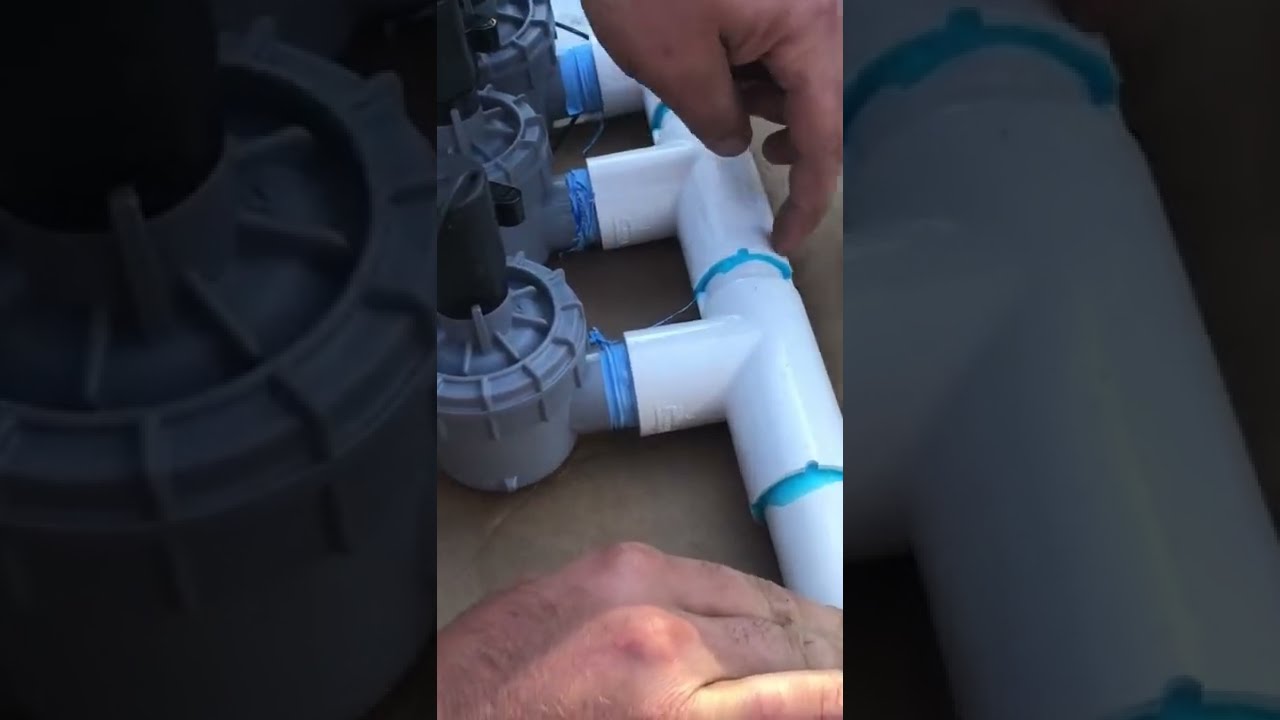
Lateral line leakages determined in soft places can be fixed with couplings or brand-new areas. If you locate on your own fixing the same run twice in a period, widen your dig. Poor bed linens or a misaligned adhesive joint additionally down might be setting you up for repeats. For controller problems, if the display is dark or buttons fail, swap the clock. If areas go down arbitrarily and the controller tests well, chase after cable splices. Replacing old spin on cable nuts with proper gel filled up adapters pays dividends.
These are the type of lawn sprinkler repair work tasks that prolong system life without sinking cash into bad bones. If your system format is or else sound, doing a round of valve packages and head body upgrades can include a decade.
Signs that replacement is the smarter call
I try to find patterns. When three or even more of these problems turn up together, I stop recommending bit-by-bit work.
- Mixed, incompatible head types on the very same zone that trigger noticeable over and under watering, together with spacing also vast to take care of with nozzles alone.
- Chronic pipeline failings throughout multiple zones, specifically in older poly or shallow hidden lines within origin zones.
- Obsolete or unsafe backflow assemblies, missing vacuum breakers, or systems that do not satisfy present code clearances.
- Serious layout defects, heads blocked by fully grown plants, heads splashing structures and windows, or poor zoning where bright lawn and dense color share the exact same schedule.
- Major landscape modifications, such as changing large turf areas with beds or hardscape, that render the initial design irrelevant.
On one home, the homeowner had a twenty years old system with sprays spaced at 18 feet throwing 15 foot nozzles, and rotors mixed in for the edges. The shutoffs were hidden under origins, and the controller had just six stations running ten zones through wire nuts and wishful reasoning. Yes, I might have nursed it along. However every repair work ran the risk of one more downstream failure. We replaced with pressure controlled sprays at true head to head spacing, apart sun and color right into distinctive areas, and transformed hedge beds to trickle. The water bill come by 28 percent in the initial summer, and service telephone calls vanished for two years besides seasonal tuning.
Timing your choice and phasing work
If you pick replacement, routine it right. Spring mounts let you tune coverage prior to peak heat. Fall works well in cozy environments when need goes down, and turf repair services root easily. Summer season is commonly the least hassle-free time to disrupt watering, but in some cases a system forces your hand.
Phasing can connect spending plan restraints. Start with shutoffs and manifolds if the existing ones are falling short, after that reconstruct heads and laterals area by area. Use a controller with growth ability, and document each phase with photos and as builts. If you prepare to add a garden or an outdoor patio next year, style sleeves and spare area capacity now to prevent saw reducing later.
Codes, backflow, and the unglamorous details
Every system have to protect the safe and clean supply. If you draw from city water, a heartburn preventer is not optional. Air spaces are for hose ends. For in ground systems, atmospheric vacuum cleaner breakers are common in some areas, and pressure vacuum breakers or decreased pressure settings up are needed in others, specifically where fertilizers or chemicals could enter. If your present setup hides an old antisiphon valve below quality, it is noncompliant and harmful. Replacement is the time to fix this, even if your immediate issue is a busted head.
Many municipalities also call for authorizations for new sprinkler setup and sometimes for significant shutoff manifold work. Insurance policy and home sales can bring these problems to light. A good contractor understands your regional code, sets correct heights for the backflow, protects or drains pipes where freezing takes place, and pulls authorizations when needed. This is not red tape, it is public health.
Choosing a professional and getting apples to apples bids
Not all propositions are equivalent. I request for clear counts of heads by kind, version of controller, method of link for cable interlaces, and a map or tale. Unclear bids that assure a great green lawn without detail tend to balloon later.
Use this fast bid contrast checklist to avoid surprises:
- Confirm head bodies are stress regulated, which sprays and rotors will not share a zone.
- Ask for matched rainfall nozzles by brand and series, plus design numbers for shutoffs and controller.
- Specify wire entwines as gel filled, water resistant adapters, and call for valve boxes at each manifold.
- Ensure the proposal consists of heartburn setup or upgrade to present code, with screening if needed by your utility.
If a service provider resists information, maintain looking. The better firms boast of their specs because they stop callbacks and shield warranties.
DIY or work with out
Much of lawn sprinkler repair is accessible of a mindful house owner. Switching a head, cleansing a nozzle, or replacing a solenoid is simple with basic tools. Trenching, manifold restores, and backflow job are much less flexible. A mis glued joint in a deep trench is an uncomfortable remodel. Backflow settings up require understanding of neighborhood code and commonly a licensed plumbing. Electrical splices have to be truly water-proof, not simply twisted and taped.
If you pursue do it yourself, adhere to maker cut sheets as opposed to web shortcuts, and get good tools. A $40 cable tracer saves hours locating valve boxes. A $15 stress scale saves you from guessing at an origin. Do not hide wire splices without gel loaded ports ranked for direct funeral. And, if you do not winterize, find out the design of your primary shutoff and master valve. When a side stops working on a holiday weekend, understanding where to stop the water matters more than anything.

Maintenance after the decision
Whether you repaired or replaced, established a reasonable lawn sprinkler upkeep routine. Monthly checks throughout the period pay for themselves.
I advise walking zones at the very least twice a period, early summer season and mid summertime, at dawn when wind is calm. Look for uneven heads and stopped up nozzles. Every springtime, draw a handful of nozzles and flush the lines for 5 seconds prior to reinstalling. Clean filters on rotors if geared up. If your system does not have stress guideline and runs at high static stress, add pressure guideline at the shutoff or head degree when you work on that area next.
If you winterize, utilize managed atmospheric pressure, 50 to 60 psi for most property systems, and prevent spinning blades at supersonic rates. If you have a heartburn above grade, shield and safeguard it versus theft and cold. In spring start up, open up the primary gradually to stay clear of water hammer, run each area, and verify the controller timetable still matches plant demands. A smart controller is not set and neglect, it takes advantage of quick checks of area data and seasonal adjustments.
Edge instances that can turn the decision
Wells with variable pressure make complex medical diagnosis. A zone that runs fine at dawn may fail by mid-day when household usage drops stress or when the well cycles. In these cases, a pressure tank and a cycle quit valve can stabilize shipment, and changing the lawn sprinkler without taking care of the supply just moves the issue downstream.
Reclaimed water supply introduce purple pipe policies and limitations on head types. Chloramines in some reclaimed materials are extreme on rubber components, which reduces diaphragm life. If you irrigate with redeemed water, favor component lines with recorded chemical resistance.
Homeowners associations commonly manage watering windows. If you can only irrigate two times per week, a system with sloppy coverage and high precipitation heads will have a hard time on warm weeks. Updating to lower precipitation, even more uniform tools can be the difference in between a lawn that looks stressed by Thursday and one that holds color.
Commercial sites with foot website traffic have various needs. Turn up heights, head selection near sidewalks, and controller attributes like flow surveillance matter. Flow noticing that turns off a broken head can conserve thousands of gallons in a single evening. On a commercial retrofit, I commonly argue for substitute earlier since the responsibility and water waste risks are higher.
A useful way to get to a decision
Start with the walkthrough. Measure stress, observe insurance coverage, and examine the condition of shutoffs and laterals. List the obvious repair work and the likely systemic concerns. Price a targeted fixing bundle that addresses valves, head bodies, and nozzles. In parallel, rate a complete replacement that corrects style defects and brings the system to current criteria, including backflow and a modern controller. Variable water price decreases and any kind of refunds. After that weigh not only dollars yet also your hunger for future service calls.
If your system is more youthful than ten years, pipelines are audio, and problems are isolated to a few used parts, fixing with confidence and buy incremental upgrades like stress controlled bodies. If your system rests north of 15 years, shows chronic leakages, has actually blended heads on areas, and stops working fundamental insurance coverage checks, route your budget plan to a brand-new sprinkler setup that solutions the style, not just the symptoms.
There is fulfillment in obtaining even more life from what you own, specifically when thoughtful sprinkler repair work and seasonal treatment maintain a lawn thriving. There is additionally tranquility in beginning fresh when the bones misbehave. Make the call with open eyes, and your yard, plants, and water costs will tell you if you picked well by mid summer.